
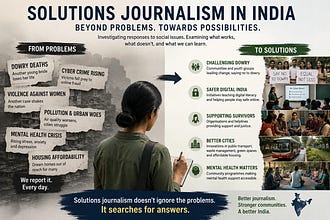
How solutions journalism changed the way I see stories
Why I am starting this journey as a solutions journalist, trainer and storyteller

I used to believe my job as a journalist was to expose what was broken. Then, on a dusty road in Wada, Maharashtra, everything changed. Instead I found a women’s co-operative that had doubled yields with simple techniques — evidence, limits, and lessons included.
People often ask me why I am so passionate about Solutions Journalism. The answer lies in a journey that changed the way I see journalism itself. When I enrolled in training with the Solutions Journalism Network (SJN) and later earned accreditation, I expected to learn a new reporting framework. What I did not expect was that it would fundamentally change how I looked at stories, communities and even my role as a journalist
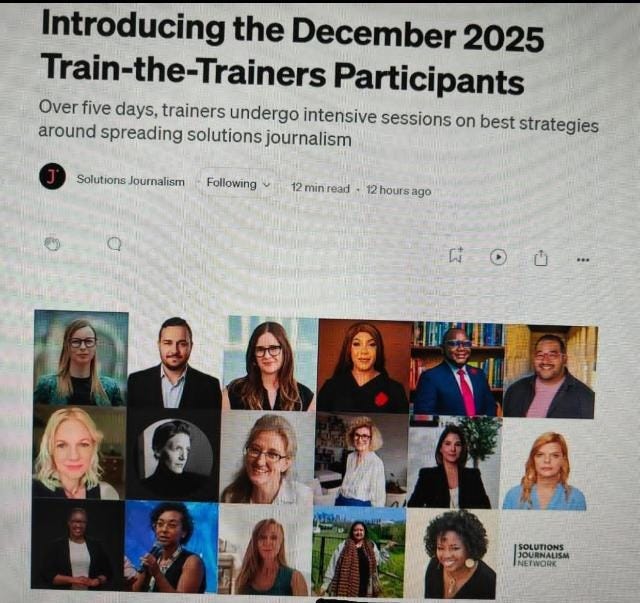
A milestone in my Solutions Journalism journey — learning with a global community of trainers committed to reporting not only on problems, but on credible responses.
Like many journalists, I had been trained to identify problems, expose failures and hold institutions accountable. These remain essential responsibilities of journalism. But through Solutions Journalism, I realised that accountability reporting is only one part of the larger picture.
Journalism should not only ask:
What is wrong?
It must also ask:
Who is trying to solve this problem?
What evidence suggests the response is working?
What are the limitations?
What can others learn from this experience?
That shift in questioning changed everything for me.
Suddenly, journalism became more than documenting what was broken. It became a way to understand how change happens. The accreditation process pushed me to think more deeply about rigour, evidence, impact and community engagement. It taught me that reporting on solutions is not advocacy, public relations or “good news”. It is disciplined journalism that investigates responses with the same seriousness and scepticism used to investigate failures.
But the real learning did not happen only inside the training sessions.
It happened on the road.
Over the past six months, I travelled across France, Italy, Maharashtra, Gujarat, Tamil Nadu and Kerala. Each destination offered a lesson — not just in culture, geography or history, but in how communities respond to challenges. I saw heritage being preserved while creating livelihoods. I saw tourism supporting local economies rather than replacing local identities.
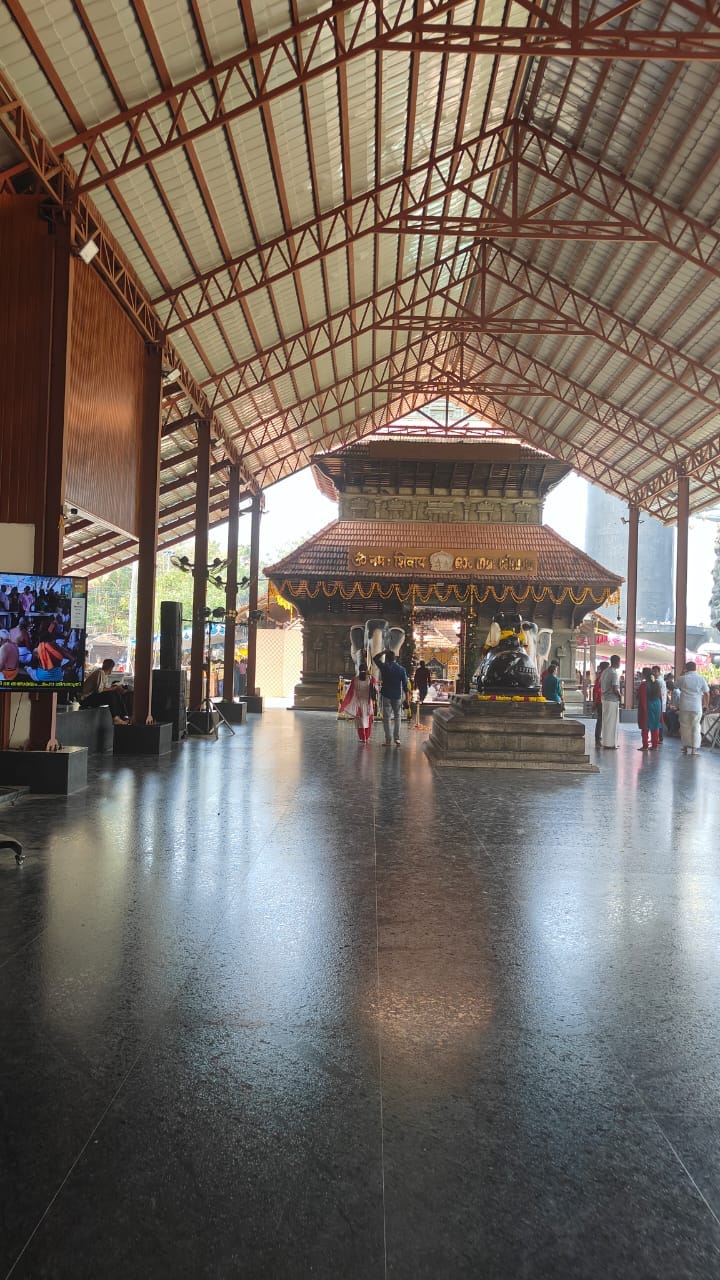
A sacred space that reflects how culture, community and continuity remain central to everyday life in India.
I met educators rethinking learning, women leading community initiatives, entrepreneurs solving local problems, and citizens finding practical answers to everyday challenges.
In Maharashtra, I saw the power of local initiatives and citizen-led change. In Gujarat, I observed entrepreneurship and community-driven development.
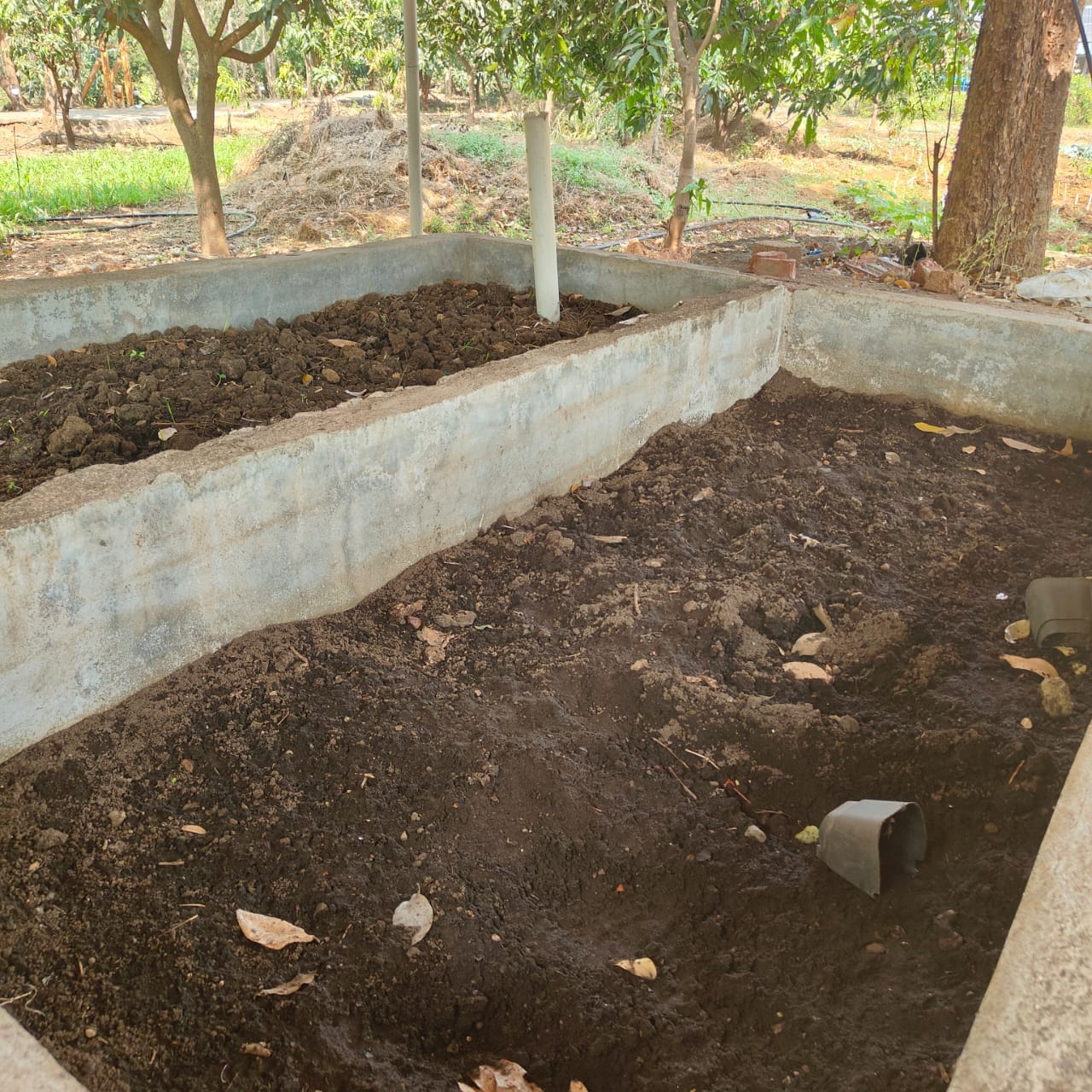
A small local response to a larger environmental challenge — the kind of everyday solution that often goes unnoticed.
In Kerala and Tamil Nadu, I found examples of innovation in education, public services, tourism and local governance.
In France and Italy, I witnessed how history, culture, sustainability and public policy can work together to create resilient communities
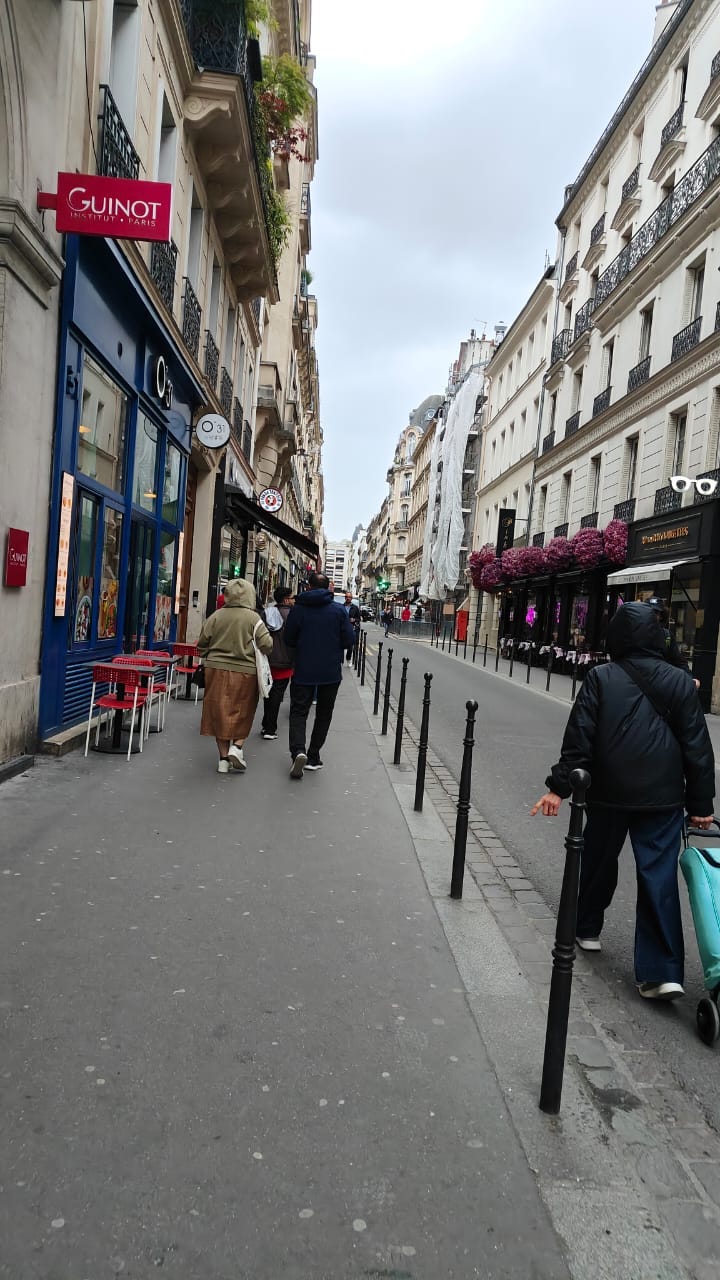
In Paris, everyday streets carry lessons in design, mobility and how cities make space for people.
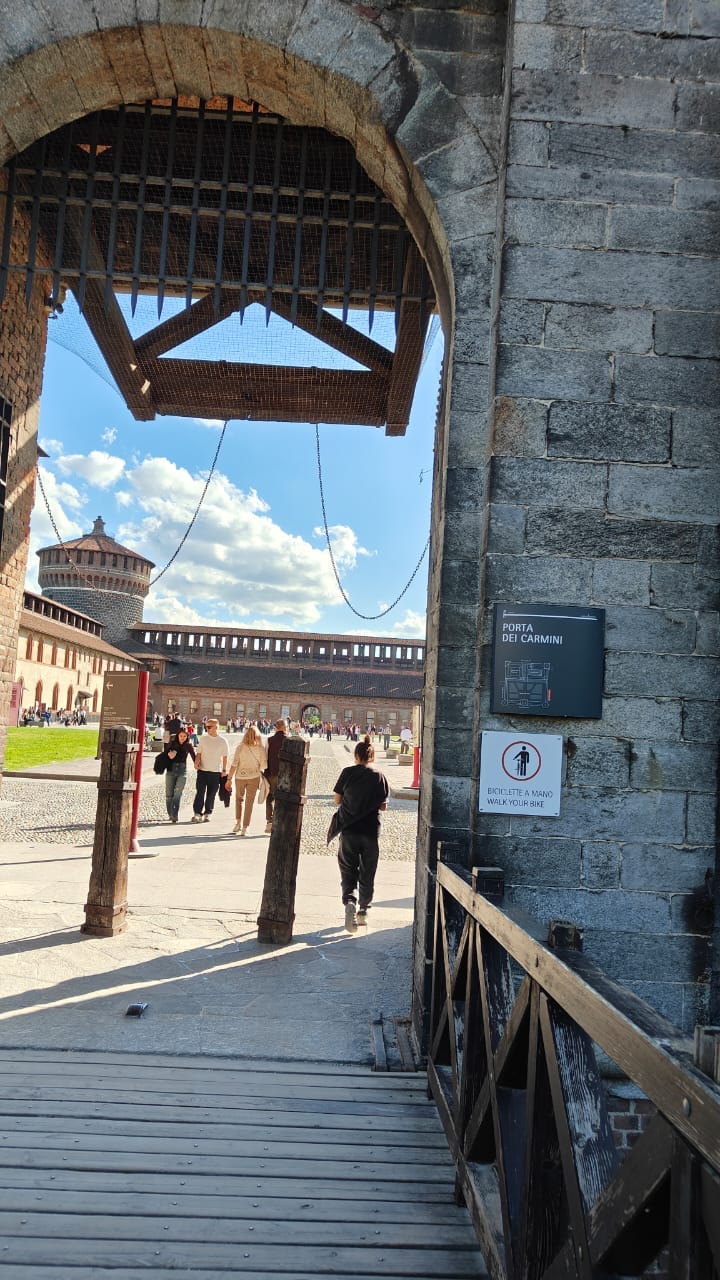
A doorway into history — and a reminder that heritage is not just preserved in museums, but lived through public spaces, tourism and local memory.
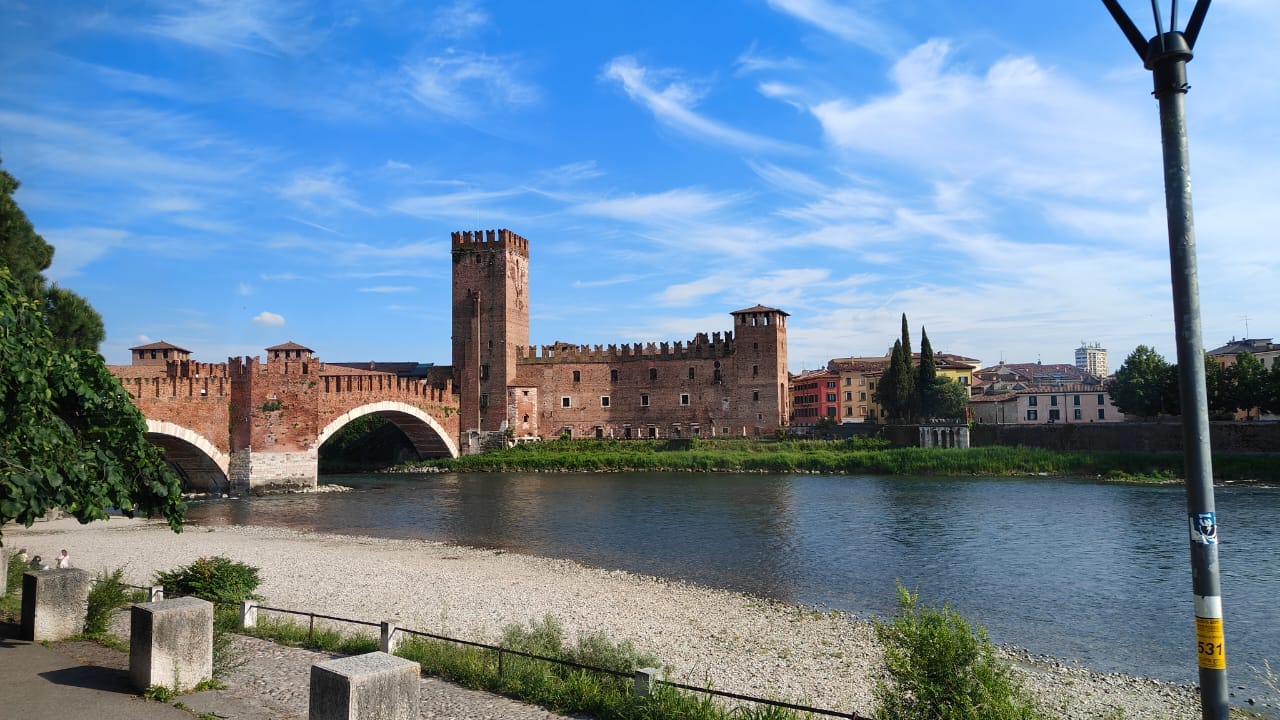
In Italy, I saw how history, landscape and everyday public life can exist together — offering lessons in how places protect identity while welcoming visitors.
What struck me most was this:
solutions often receive far less attention than the problems they are trying to address.
We are quick to report failure. We are trained to notice collapse, corruption, conflict and crisis. And we must continue doing that. But if journalism only documents what is broken, audiences can begin to feel powerless. I have come to believe that people do not turn away from news because they do not care. Often, they turn away because they feel there is nothing they can do with the information they receive.
Solutions Journalism helps bridge that gap.
It does not offer false hope. It does not pretend that every problem has a simple answer. It does not celebrate every initiative as a success. Instead, it examines credible responses, studies what is working, investigates what is not, and shares lessons that others can learn from.
That is what makes it powerful.
Before this journey, I often approached stories by asking, “What went wrong?”
Today, I also ask, “Who is trying to make it right?”
This does not make me a more optimistic journalist. It makes me a more complete journalist. I still believe deeply in exposing problems and holding power accountable. But I also believe journalism has a responsibility to examine responses, understand community efforts and document lessons that may help others.
Today, whether I am reporting, teaching, mentoring students, writing, creating podcasts, building my Substack or training journalists, the principles I learned through Solutions Journalism continue to guide my work.
The accreditation was more than a certificate.
It was a shift in perspective.
It taught me that journalism can expose problems and illuminate pathways forward. It taught me that stories are not only about what has failed, but also about what people are trying, testing, adapting and learning.
Now, when I travel, I do not just see destinations.
I see ideas.
I see communities experimenting, adapting, failing, learning and trying again. I see responses hidden inside everyday life. I see lessons in local markets, schools, heritage sites, public spaces, community initiatives and small acts of civic imagination.
And that, to me, is where some of the most important stories of our time are waiting to be told.
This Substack is my attempt to follow those stories and document my journey into solutions journalism, gender reporting, and storytelling focused not just on problems, but on impactful responses.”
Through this space, I hope to write about solutions journalism, travel, public systems, local innovation, community-led change, responsible tourism, education, livelihoods, governance, culture and the many ways people are responding to the challenges around them.
I will not only look for success stories.
I will look for evidence, limitations, lessons and possibilities.
Because once I learned to see stories through the lens of Solutions Journalism, I could never go back.
This is extremely interesting. I wonder how it always can be done in reality. But for sure this kind of journalism is needed.
I can understand why it might seem difficult to achieve in practice. However, solutions journalism is very much possible when it is grounded in rigorous reporting and evidence. It is not about overlooking problems or presenting overly positive narratives; rather, it examines responses to challenges, assesses what is working, explores the limitations, and considers what others can learn from them. In an age when audiences are often overwhelmed by negative news, this approach offers a more complete and constructive picture of reality. That is why I believe solutions journalism is not only achievable, but increasingly essential.